Introduction
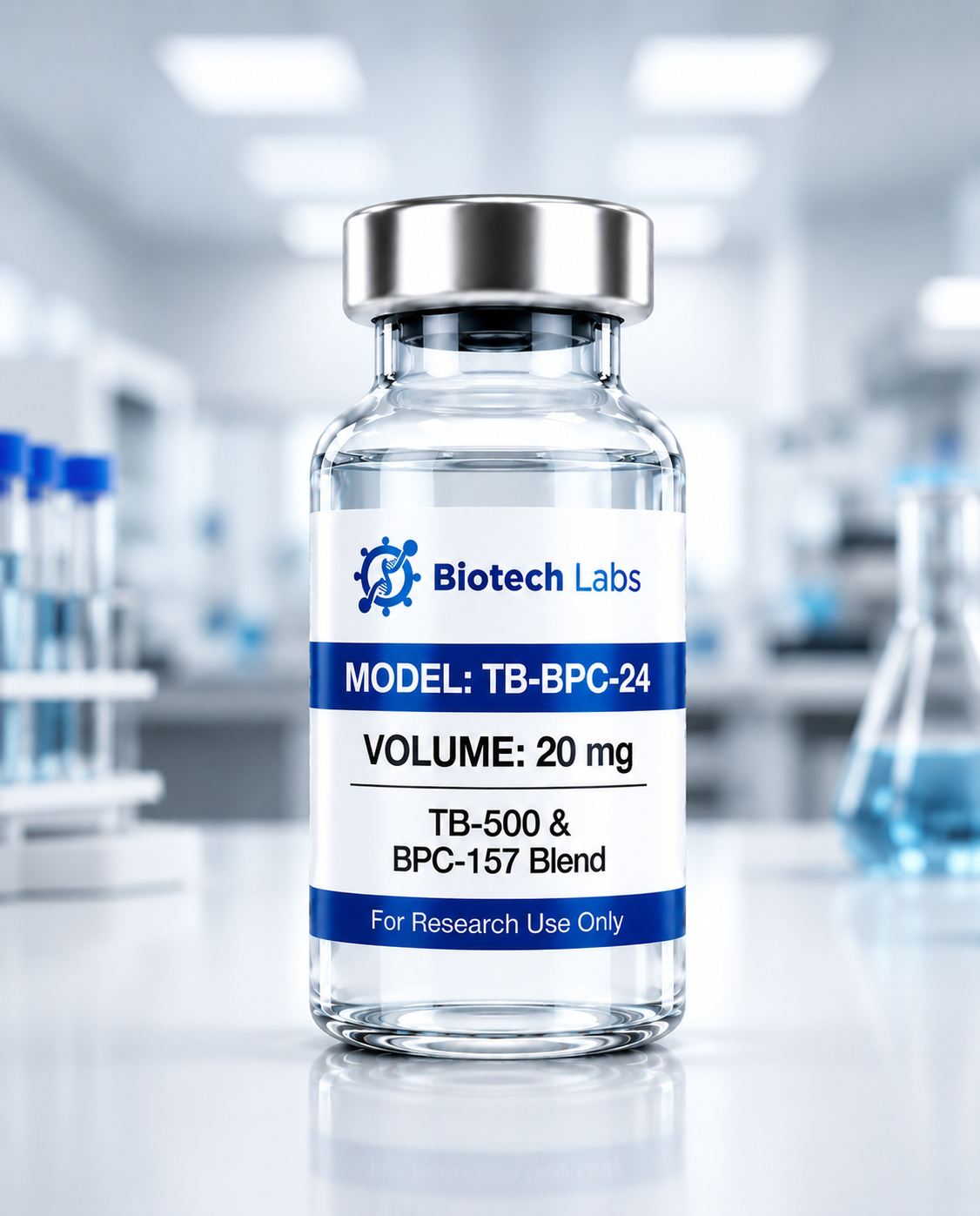
Peptide research continues to expand as scientists investigate compounds that influence cellular communication, tissue repair pathways, and regenerative mechanisms. One peptide that has attracted significant attention in experimental research is TB-500, a synthetic version of a naturally occurring peptide known as Thymosin Beta-4.
Researchers have studied TB-500 for its potential role in tissue regeneration, cellular migration, and inflammatory regulation. While research is still ongoing, early studies have made this peptide a frequent topic of interest within scientific communities studying recovery and repair mechanisms.
What Is TB-500?
TB-500 is a synthetic fragment of Thymosin Beta-4, a peptide naturally present in many tissues throughout the body. Thymosin Beta-4 is involved in a variety of biological processes, particularly those associated with cell movement, wound repair, and cytoskeletal organization.
Because TB-500 is derived from this naturally occurring peptide, researchers have explored how it interacts with signaling pathways that influence tissue recovery and cellular regeneration. Its relatively small molecular structure allows it to move easily through tissues, which is one reason scientists are interested in studying its systemic activity.
Areas of Scientific Interest
1. Tissue Regeneration Research
One of the most widely studied areas involving TB-500 is its interaction with tissue repair processes. In experimental models, researchers have examined how TB-500 may influence healing responses involving:
- Muscle tissue remodeling and repair
- Tendons and ligaments structural recovery
- Connective tissue structures matrix deposition
- Skin repair mechanisms and dermal closure
Researchers believe these effects may be related to TB-500’s ability to support cellular migration and differentiation, both of which play important roles in tissue regeneration.
2. Cellular Migration and Actin Regulation
Cell migration is a key component of healing. When tissue is damaged, cells must move toward the injury site in order to repair and rebuild the affected structures.
Studies involving Thymosin Beta-4 suggest it may influence actin regulation, a critical component of the cellular cytoskeleton that controls movement and structural organization within cells. This mechanism is one reason TB-500 is frequently studied in experimental research involving recovery processes.
3. Angiogenesis and Circulation
Another area of interest involves angiogenesis, the formation of new blood vessels. Healthy circulation is essential for delivering oxygen, nutrients, and growth factors to injured tissues.
Some research models have explored how peptides like TB-500 may interact with signaling pathways involved in vascular growth and repair. Improved blood vessel formation can play a critical role in the healing process, which is why this mechanism continues to be explored in scientific research.
4. Inflammatory Response Research
Inflammation is the body’s natural response to injury, but prolonged inflammation can interfere with recovery. Researchers have examined whether TB-500 interacts with cytokine signaling and inflammatory pathways, potentially influencing the body’s response during tissue repair.
Understanding how peptides influence inflammation is a growing area of biomedical research.
Why Researchers Study Peptides Like TB-500
Peptides act as biological signaling molecules, helping cells communicate and coordinate complex physiological functions. Because peptides are smaller than most proteins, they can interact with specific receptors and pathways in highly targeted ways. This makes them particularly interesting for scientists studying cellular regulation and tissue regeneration.
Compounds like TB-500 allow researchers to investigate how certain signaling pathways influence the body’s ability to repair damaged tissue.
The Importance of Purity in Peptide Research
Reliable research outcomes depend heavily on the quality of the materials used in laboratory experiments. High-quality peptide research compounds should meet strict standards for:
- Purity verification via rigorous analytical testing
- Structural integrity maintenance
- Analytical testing transparency
- Batch consistency across lots
At Biotech Labs, peptides are prepared and verified using established analytical methods such as High-Performance Liquid Chromatography (HPLC) and Mass Spectrometry to confirm purity and identity. This level of testing helps ensure researchers can work with compounds that meet consistent specifications.
Ongoing Scientific Exploration
While peptides like TB-500 continue to be studied in research settings, much of the scientific understanding surrounding these compounds is still developing. Researchers across multiple disciplines continue to investigate how peptides interact with cellular signaling pathways and regenerative processes.
As scientific exploration advances, peptides will likely remain an important area of study in the broader field of molecular biology.
Research Use Only
All compounds offered by Biotech Labs are intended strictly for laboratory research purposes only and are not approved for human consumption. Researchers are responsible for ensuring that all experimental work follows applicable regulations and ethical standards.
Explore Advanced Peptide Catalogs
Are you looking to integrate premium, high-purity compounds into your laboratory’s active workflows?